Sources Cited
Index
Usage
Source
Ⅰ
The Earth is always in one of two climatological states; an icehouse (or an ice age) or a greenhouse climate.
https://en.wikipedia.org/wiki/Ice_age#Origin_of_ice_age_theory
Ⅱ
The last time Earth was in a greenhouse climate was around 34 MYE (million years before present).
https://en.wikipedia.org/wiki/Greenhouse_and_icehouse_Earth#Greenhouse_Earth
Ⅲ
Glaciers are subject to what's commonly referred to as "positive feedback".
https://en.wikipedia.org/wiki/Ice_age
Ⅳ
Reflected sunlight gets trapped by the dust in the atmosphere and bounced back to Earth, producing a kind of "oven".
https://en.wikipedia.org/wiki/Last_Glacial_Maximum
Ⅴ
A prime example of the potential outcome of the runaway greenhouse effect on a planet can be observed on Venus, whose surface temperature is 872 degrees farenheit, regardless of season.
https://science.nasa.gov/venus/
Ⅵ
Within an ice age Earth climate is subject to recurring cycles of glaciation (stadials) and de-glaciation (interstadials).
https://ui.adsabs.harvard.edu/abs/2023ESD....14..593R/abstract
Ⅶ
These motions, termed the "Milankovitch Cycles", alter the climate of Earth in a dramatic and decisive fashion.
https://science.nasa.gov/science-research/earth-science/milankovitch-orbital-cycles-and-their-role-in-earths-climate/
Ⅷ
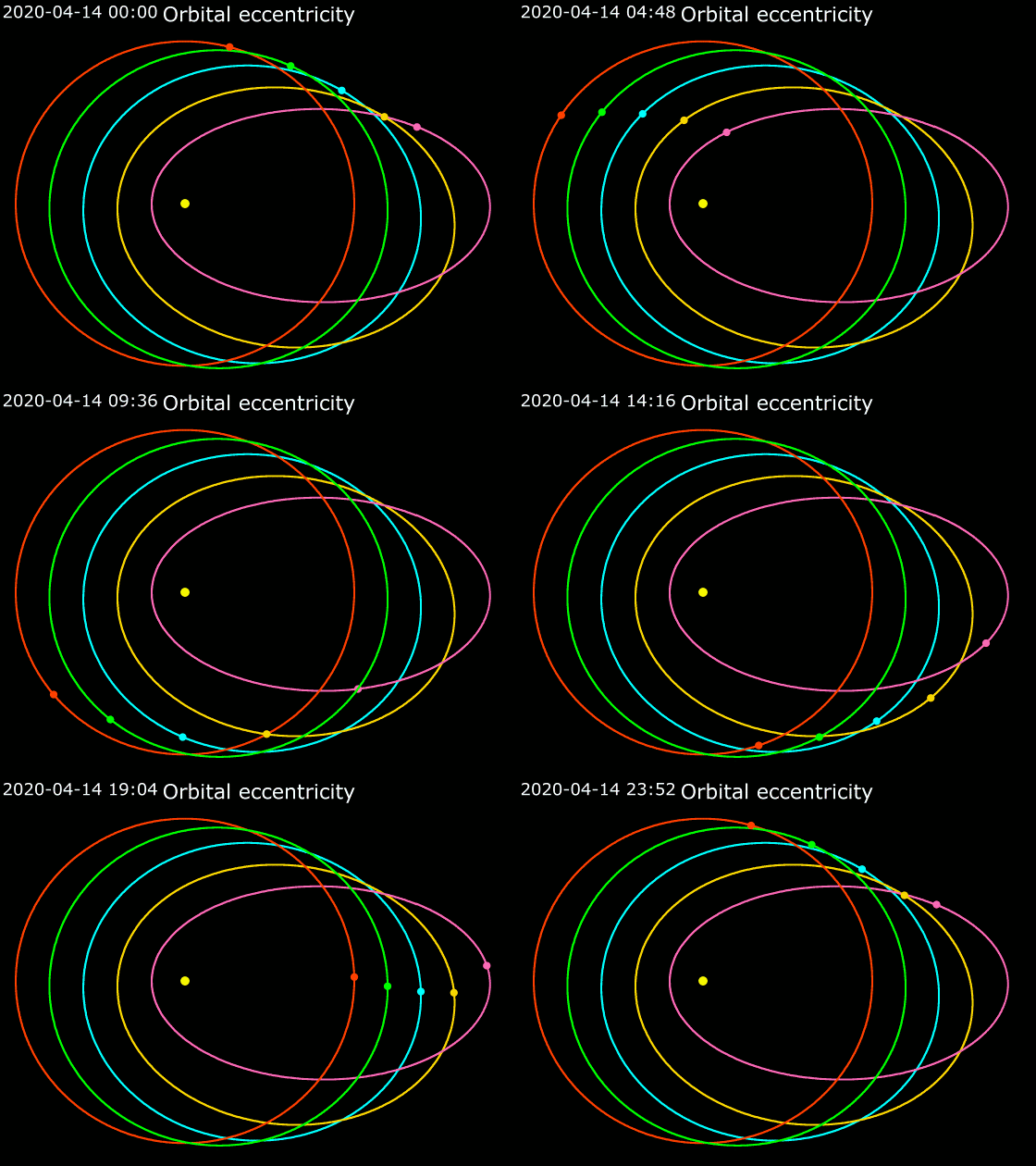
https://en.wikipedia.org/wiki/Orbital_eccentricity#/media/File:Animation_of_Orbital_eccentricity.gif
Ⅸ
Increasing eccentricity means more extreme variation in the temperature difference between seasons.
https://sciencepickle.com/earth-systems/star-planet-connection/planet-eccentricity/
Ⅹ
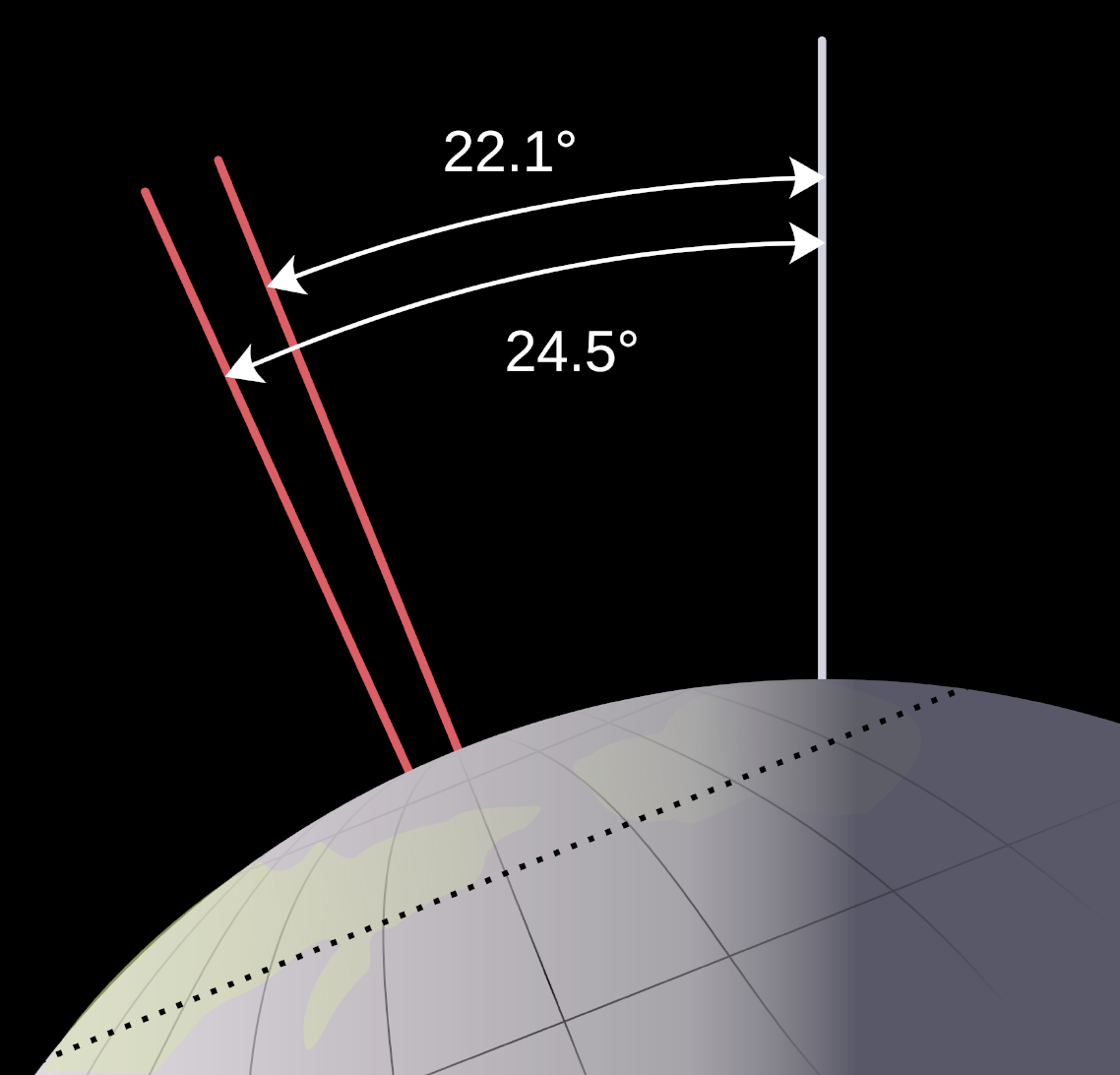
//en.wikipedia.org/wiki/Milankovitch_cycles#/media/File:Earth_obliquity_range.svg
Ⅺ
For comparison, Uranus has an axial tilt of 97 degrees.
https://www.theplanetstoday.com/planet_uranus.html
Ⅻ
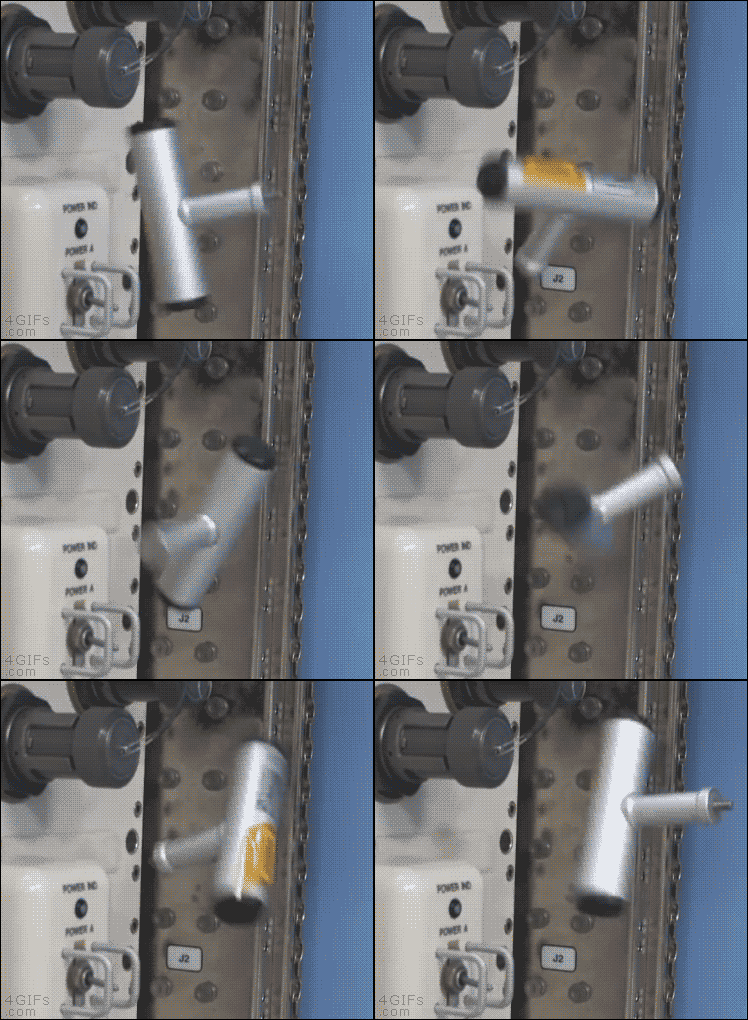
https://forgifs.com/gallery/main.php?g2_view=keyalbum.KeywordAlbum&g2_keyword=animated+gif&g2_itemId=248502
ⅫⅠ
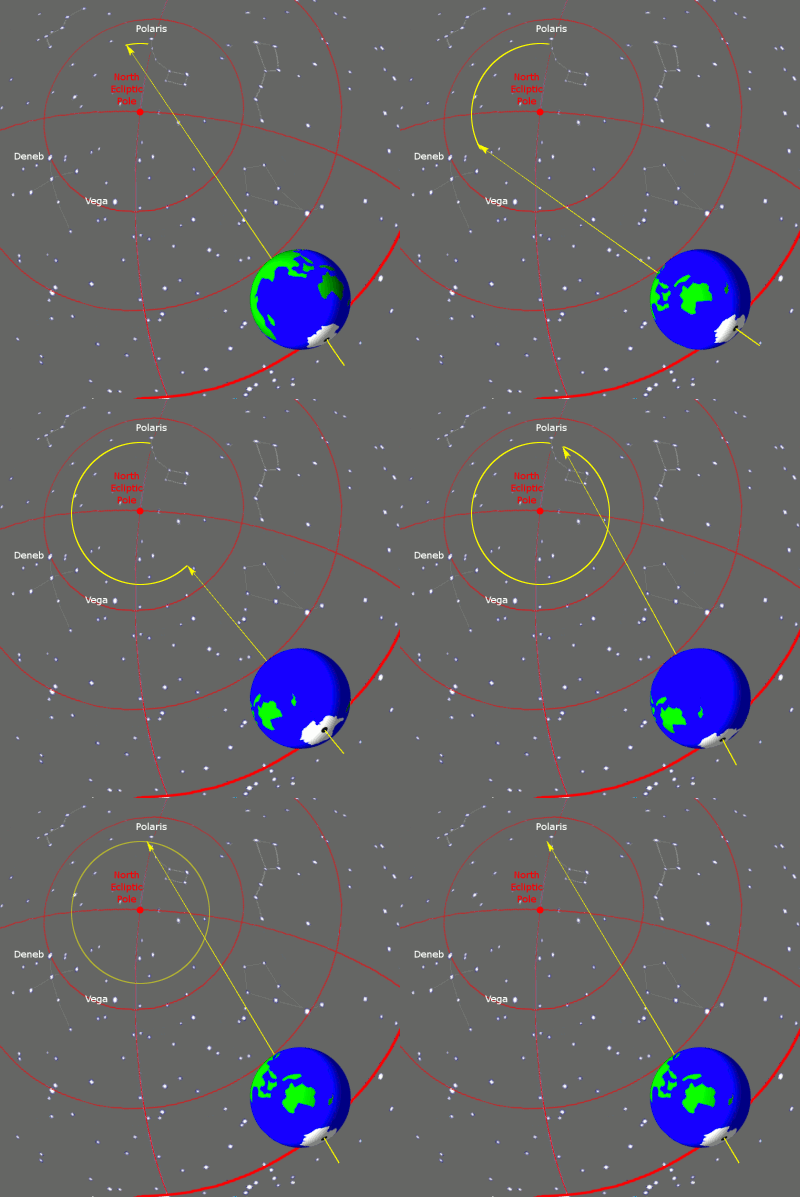
https://en.wikipedia.org/wiki/Axial_precession#/media/File:Precession_animation_small_new.gif
ⅩⅠⅤ
Earth revolves on a tilted axis that continuously "ticks" back and forth (obliquity).
https://science.nasa.gov/science-research/earth-science/milankovitch-orbital-cycles-and-their-role-in-earths-climate/
ⅩⅤ
Prior to the Cenozoic, Australia and South America were joined to Antarctica.
https://en.wikipedia.org/wiki/Late_Cenozoic_Ice_Age
ⅩⅥ
Between Antarctica and South America, the "Drake Passage" opened up. Australia's northward drifting formed the "Tasmanian Passage" The new passages allowed oceanic currents to surround the Antarctic continent, acting as a connecting current between previously isolated Atlantic, Pacific, and Indian oceans.
https://en.wikipedia.org/wiki/Antarctic_Circumpolar_Current
ⅩⅦ

https://upload.wikimedia.org/wikipedia/commons/a/ab/Thermohaline_circulation.svg
ⅩⅧ
The final formation of the Isthmus of Panama takes place around 3 million years before present.
https://en.wikipedia.org/wiki/Isthmus_of_Panama
ⅩⅣ
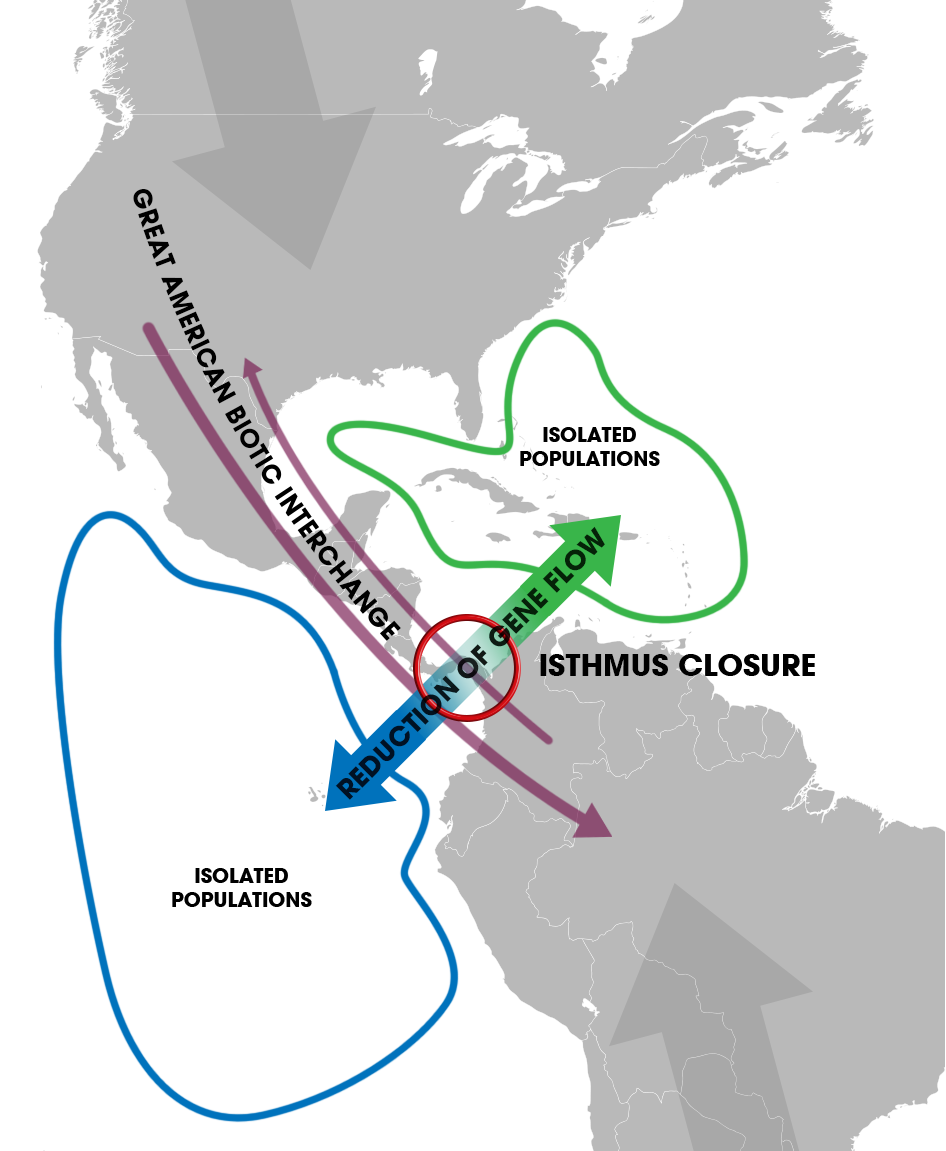
https://en.wikipedia.org/wiki/Gulf_Stream#/media/File:Gulfstream.jpg
ⅩⅩ
Warm water originating from Panama is directed east, to the eastern coast of North America, then north. The warm water current flows north around Greenland, before branching off into the coast of north-western Europe.
https://en.wikipedia.org/wiki/Gulf_Stream
ⅩⅩⅠ
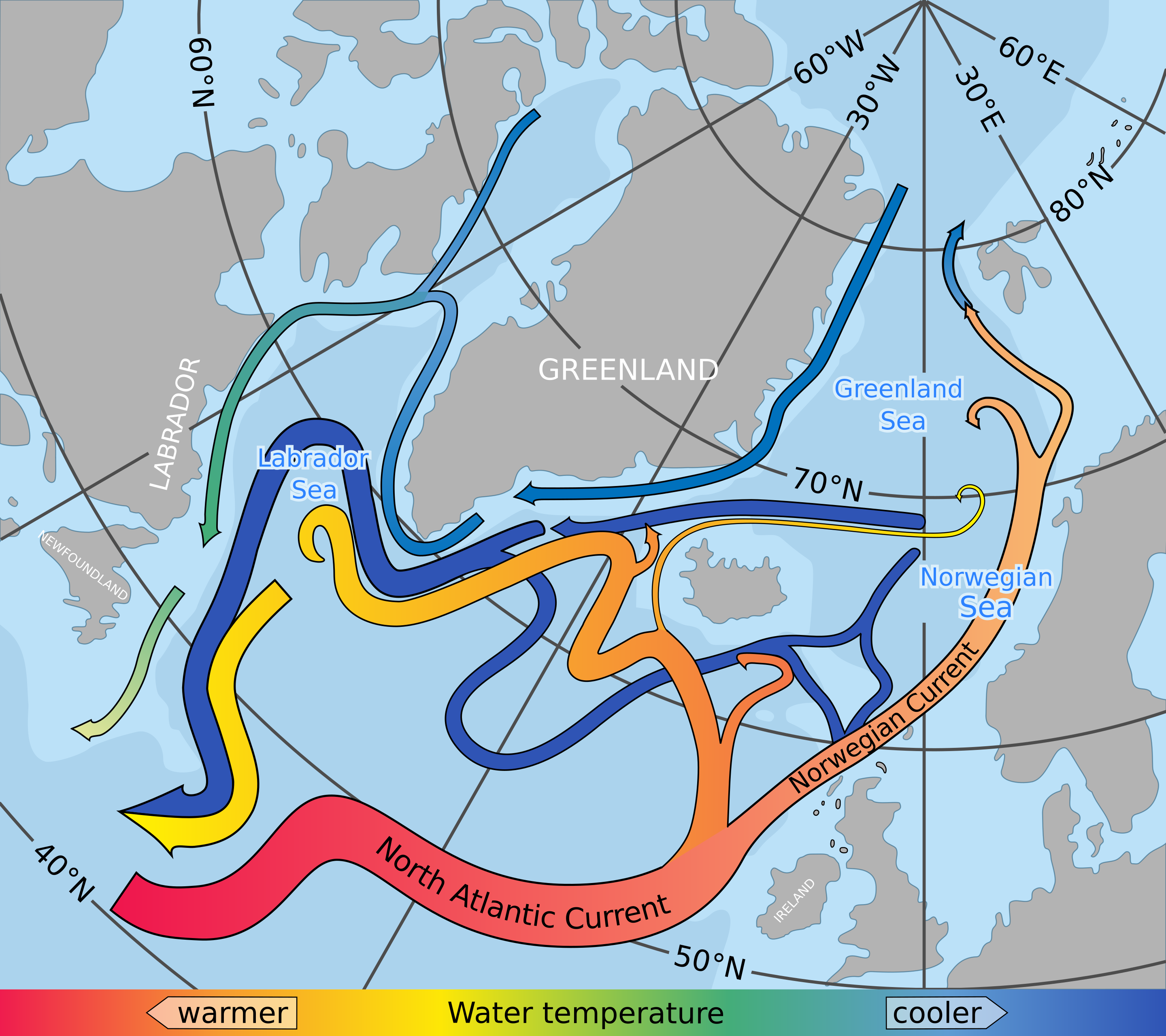
https://en.wikipedia.org/wiki/North_Atlantic_Current#/media/File:North_Atlantic_currents.svg
ⅩⅩⅡ
The Quaternary began 2.58 million years ago. The Quaternary period is further sub-divided into the Pleistocene and the Holocene.
https://en.wikipedia.org/wiki/Quaternary
ⅩⅩⅢ
In nearly every instance, the stadial period occurs on a time scale of around 100,000 years - with short stadials at around 40,000 years occuring every so often. The interstadial period, in every instance, lasts around 10,000 - 15,000 years.
https://en.wikipedia.org/wiki/Pleistocene
ⅩⅩⅣ
The beginnning of the Pleistocene marks the first emergence of human ancestors on Earth.
https://humanorigins.si.edu/evidence/human-fossils/species/homo-habilis
ⅩⅩⅤ
At present, Earth is in a period of unusually moderate temperature and uncharacteristic stability - the result of our residing in an inter-stadial period in the Cenozoic ice age. Earth has been transitioning between active glaciation and inter-stadial periods of warmth for around 34 million years.
https://dbpedia.org/page/Late_Cenozoic_Ice_Age
ⅩⅩⅥ
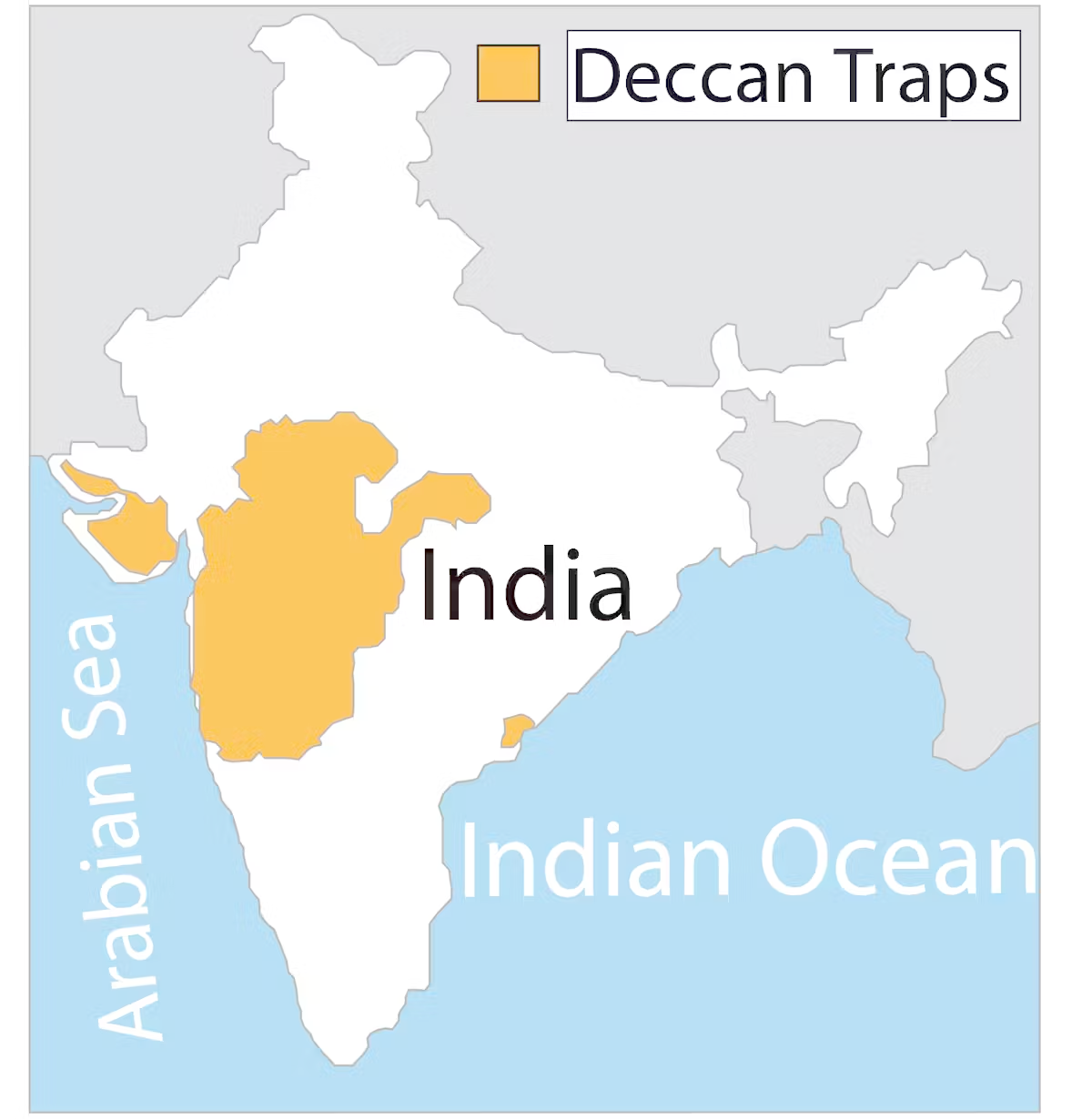
https://www.eurekalert.org/multimedia/840525
ⅩⅩⅦ
The Shiva crater event is dated at 66 million years. If it truly is an impact crater, it would be the largest crater on Earth.
https://en.wikipedia.org/wiki/Shiva_crater
ⅩⅩⅧ
These eruptions caused the Earth's temperature to drop 3.6 degrees fahrenheit.
https://en.wikipedia.org/wiki/Deccan_Traps
ⅩⅩⅨ

https://www.quora.com/What-caused-the-Chicxulub-crater-and-what-effects-did-it-have-on-earth
ⅩⅩⅩ
Warm water originating from Panama is directed east, to the eastern coast of North America, then north. The warm water current flows north around Greenland, before branching off into the coast of north-western Europe.
https://en.wikipedia.org/wiki/Chicxulub_crater